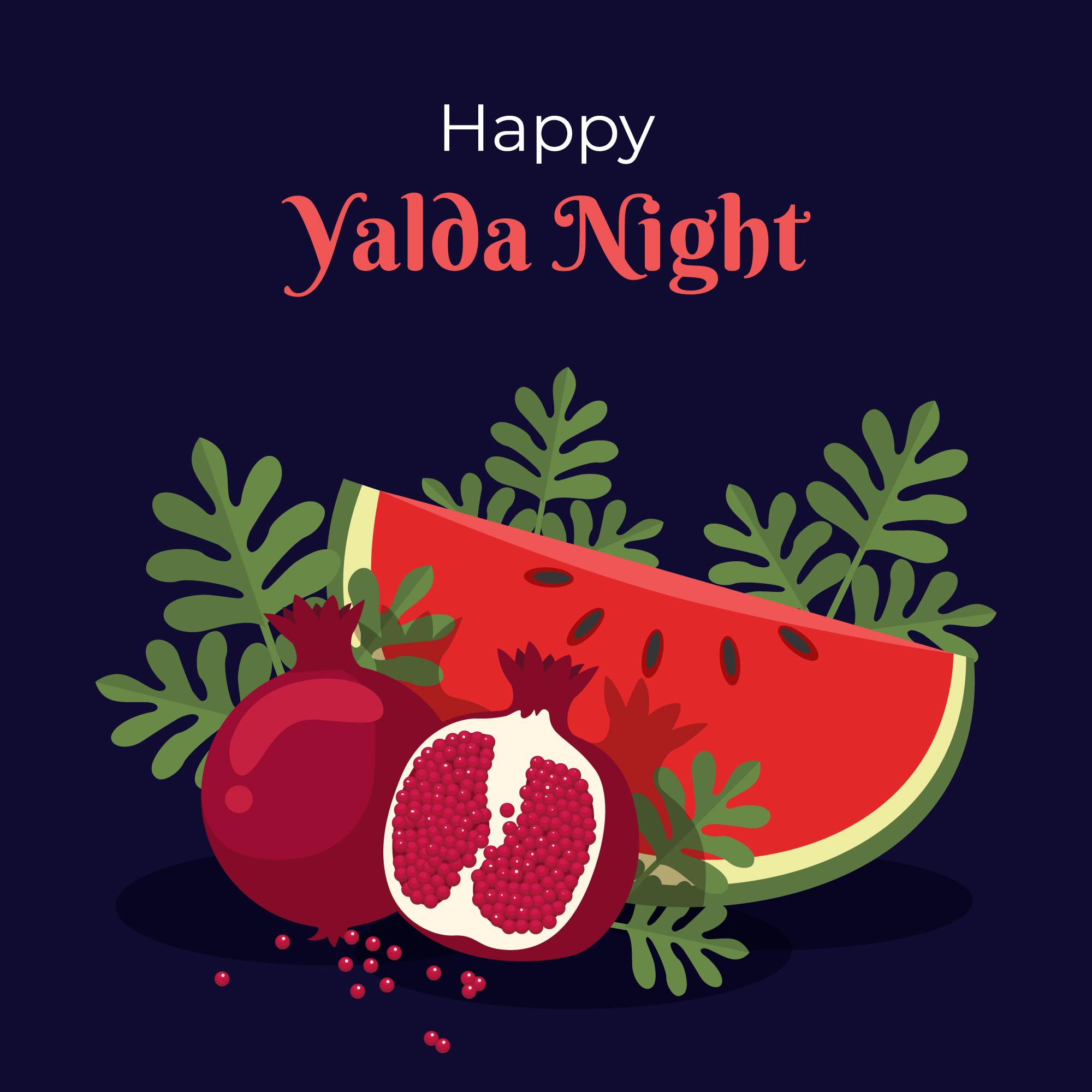
Yalda Night is an ancient Persian celebration of the winter solstice, the longest and darkest night
of the year. Families and friends stay awake together, share pomegranates and watermelon,
read poetry, play music and quietly wait for the first light of dawn. The night is full of stories,
humour, protection and hope.
In Ireland old customs also honoured this turning point of the year. Around the days between nineteen
and twenty three December people watched the sky, marked the slow return of light and told stories
around the fire. Places such as Newgrange are aligned with the sunrise at this time and remind us
that both cultures have listened carefully to the same winter sun.
-
Persian homes open pomegranates and nuts. Irish homes light candles and share warm food.
-
Both cultures tell stories that promise that light will return, even when the night feels very long.
The music this evening moves between folk roots and classical pieces from Iran and the wider region.
Each piece carries its own story of love, longing or joy, shared in an intimate setting.
Shahab Coohe, Santour
Iman Zolanvari, Setar
Folk song from Shiraz
Vasonak is a lively folk melody from the region of Shiraz. It is often played at wedding parties
and family celebrations. The rhythm invites people to dance in a circle and clap together while the
singer teases the bride and groom with playful lines.
I call your name among friends and the night turns bright
We dance and laugh while the drums answer our steps
May your home be full of joy and your days be long and kind
Classical song in Dastgah Homayun
Bot e Chin is a well loved classical song composed by Ali Akbar Khan Sheyda.
It is written in the Dastgah Homayun and usually sung in the Bayat Esfahan mode.
One of the most famous recordings is the performance by Mohammad Reza Shajarian
with Mohammad Reza Lotfi in the nineteen seventies, which made the song part of
the shared memory of many Iranian families.
The lyrics describe a devoted and tender love. The singer explains that once the
heart and faith have been given to the beloved there is no way back and that
distance and patience are no longer possible without their presence.
O my moon, my graceful idol and beloved one,
since I gave my heart and my faith to you, everyone knows it now.
I can no longer bear to be far from you my dear,
I can no longer pretend to be patient without you.
Whoever has seen you has lost their heart at once,
and when the arrow of your sorrow struck my heart,
I said it aloud so that everyone could hear
that you are my healer and my only remedy.
Kurdish folk song from western Iran
Akh Leyli is a well known Kurdish song that has travelled across many regions of Iran. The song is
addressed to Leyli, a figure of deep love and beauty. The singer remembers childhood, playful days
in mountain camps and the way love has followed him into adulthood.
In those days I was a child with a restless heart
I played with the other children on the dusty ground
Later I grew young with love and your grace aged me early
Leyli you are the light that arrives in my eyes
Come dear Leyli, the fire in the dark tent shines for you
Classic song of dawn and freedom
Morghe Sahar means Bird of dawn. The song became famous in the twentieth century through the voice
of Mohammad Reza Shajarian. At first it sounds like a simple plea to a bird to sing at sunrise, but
many listeners hear it as a hopeful call for freedom and justice.
Bird of the morning sing so the dark cage breaks
Tell of the burning heart that waits for light
Maybe your song will open the locks of this night
And the sun will rise on a land that breathes easily again